

No products in the cart.


Dark seasonseason 11 retrospectiveretrospective review:review: TheThe bestbest sci-fisci-fi ever?ever?
I’d like to welcome you all back to another review! Only this time of one of my all-time (no pun intended!) series, a German international series on Netflix called ‘Dark’ (2019-2022). Dark season 1 may seem a little out of left field, but stick with me as we dive into one of the most original, mind-bending, and thought-provoking TV shows currently available!
And so, without further ado, go watch the show’s first season if you haven’t already, and let’s look back at one of the best series Netflix has produced to date. With English subtitles, of course. Unless you happen to be fluent in German, in which case I envy and commend you!
WARNING: Spoilers and heavy themes discussed below!
Characters discussed in order of first mention:
- Louis Hofmann plays Jonas Kahnwald
- Daan Lennard Liebrenz plays Mikkel Nielsen
- Lisa Vicari plays Martha Nielsen
- Moritz Jahn plays Magnus Nielsen
- Paul Lux plays Bartosz Tiedemann
- Gina Stiebitz plays Franziska Doppler
- Maja Schöne plays Hannah Kahnwald
- Oliver Masucci plays Ulrich Nielson
- Jördis Triebel plays Katharina Nielson
- Karoline Eichhorn plays Charlotte Doppler
- Stephan Kampwirth plays Peter Doppler
- Peter Benedict plays Aleksander Tiedemann
- Deborah Kaufmann plays Regina Tiedemann
- Mark Waschke plays Noah
- Peter Schneider plays Helge Doppler
- Valentin Oppermann plays Mads Nielsen
- Paul Radom plays Erik Obendorf
- Vico Mücke plays Yasin Friese
- Lisa Kreuzer plays Claudia Tiedemann
- Julika Jenkins plays young Claudia
- Anne Ratte-Polle plays Ines Kahnwald
- Andreas Pietschmann plays The Stranger
- Walter Kreye plays Tronte Nielsen
- Tom Philipp plays young Helge
DARK: Alone and Afraid
We meet Jonas Kahnwald, who lives in the secluded German town of Winden in 2019. He and the local community reel from a mysterious disappearance. Things soon worsen as a night of exploration with his friends takes a terrible turn. Mikkel Nielsen, the younger brother of Jonas’s crush Martha Nielsen, also goes missing.
These two pivotal events soon reveal a maze of past trauma, uncertainty, and secrets. The first two episodes masquerade as a typical crime drama and psychological thriller. From episode three onwards, the show reveals its authentic, mind-bending colours. Indeed, the episodes soon coalesce into a desperate pursuit of the truth and answers, which throws our characters through time itself.
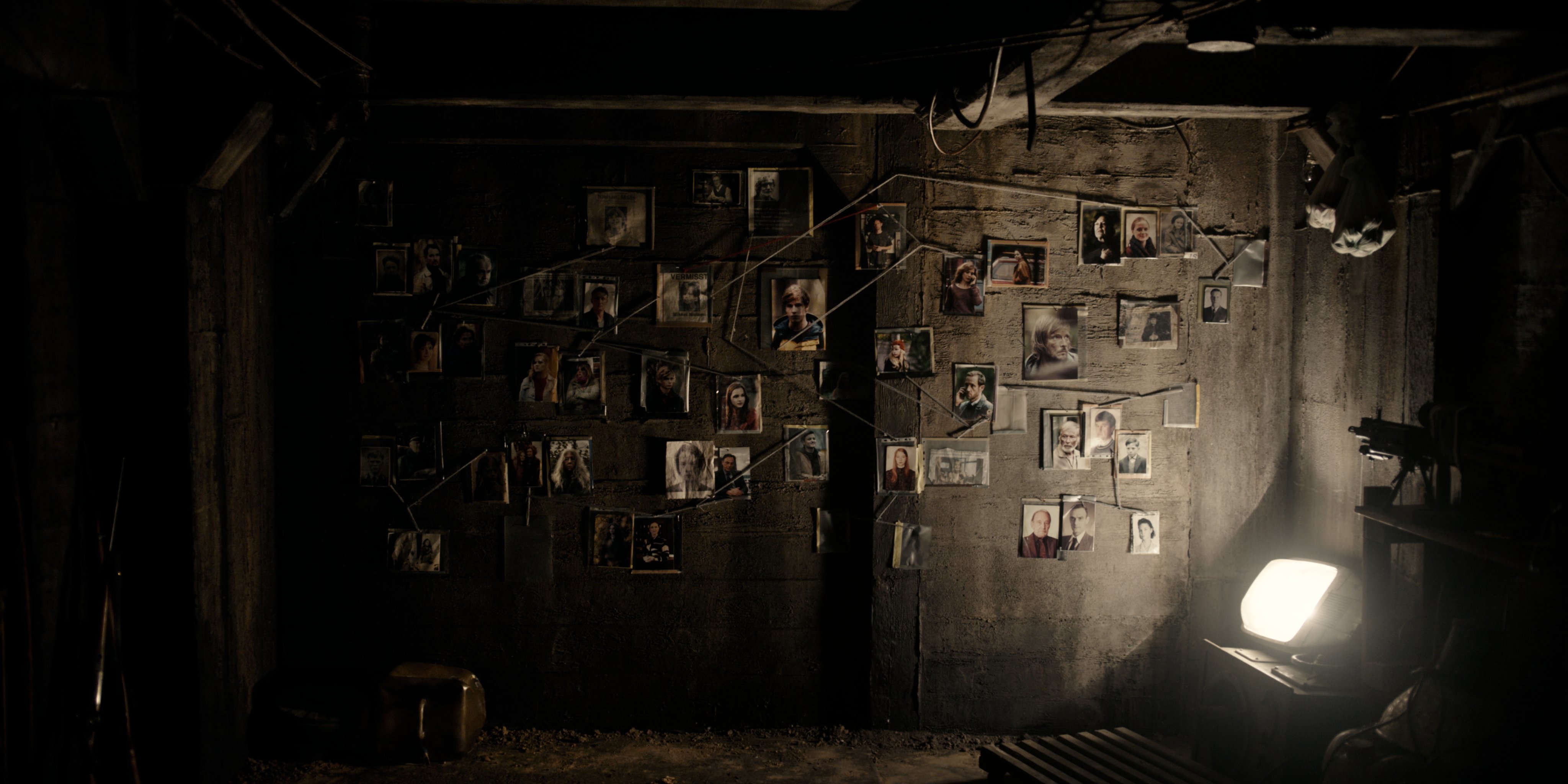
This series’s approach to time travel is unique because it is used as a tool to explore themes infinitely more intriguing and grounded. We are given a tour de force of generational trauma, the human condition, the ties of family, and humanity’s helplessness before the relentless and indifferent power of time. We are trapped by time; there is no escape.
DARK: The Labyrinth
Throughout the show’s first season, we encounter various characters in Winden who are intimately and inextricably linked. We follow Jonas, Martha, Magnus Nielsen, Bartosz Tiedemann and Franziska Doppler as they and their four families get caught up in Mikkel’s disappearance.
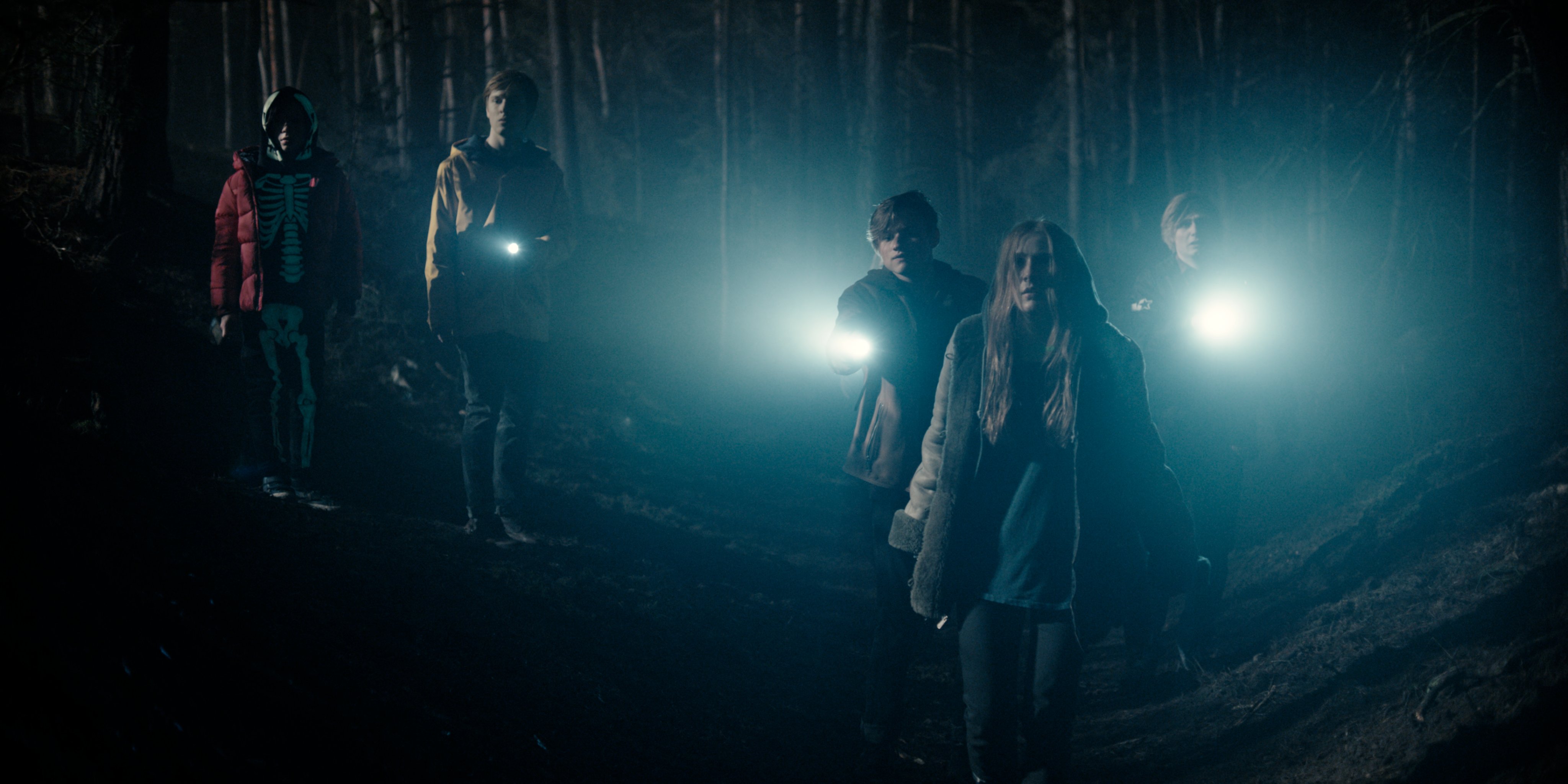
Even more intriguing is their parents’ involvement: Hannah Kahnwald, Ulrich and Katharina Nielson, Charlotte and Peter Doppler, and Aleksander and Regina Tiedemann.
The added context we got for this generation of characters in 1986 highlights the complexity of this town’s lies and secrets. What struck me most during this first season is how, despite an unwavering belief that we know our own parents better than anyone, we can never go back and meet our parents when they were young (unlike poor Mikkel). How much can we truly know who they were? Or indeed, who they are.
Dark: A time war?
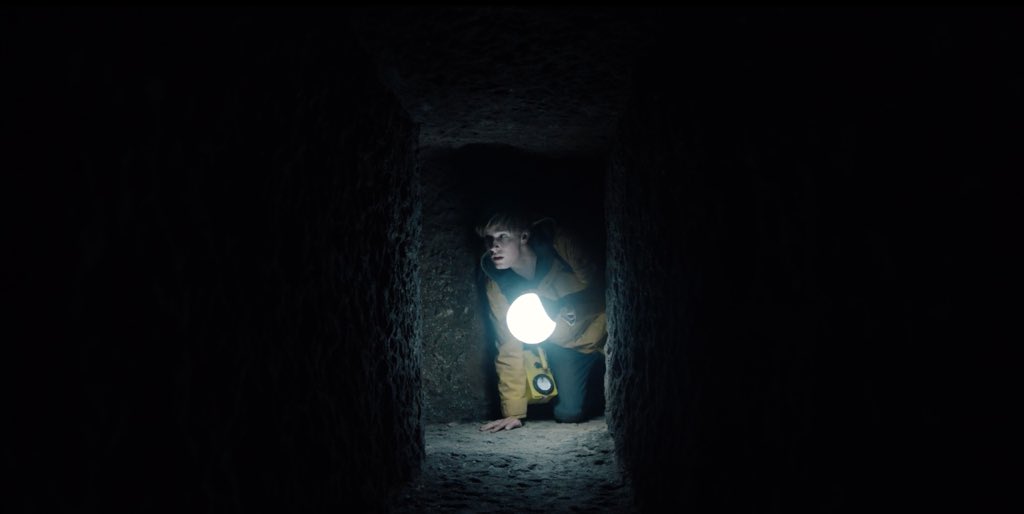
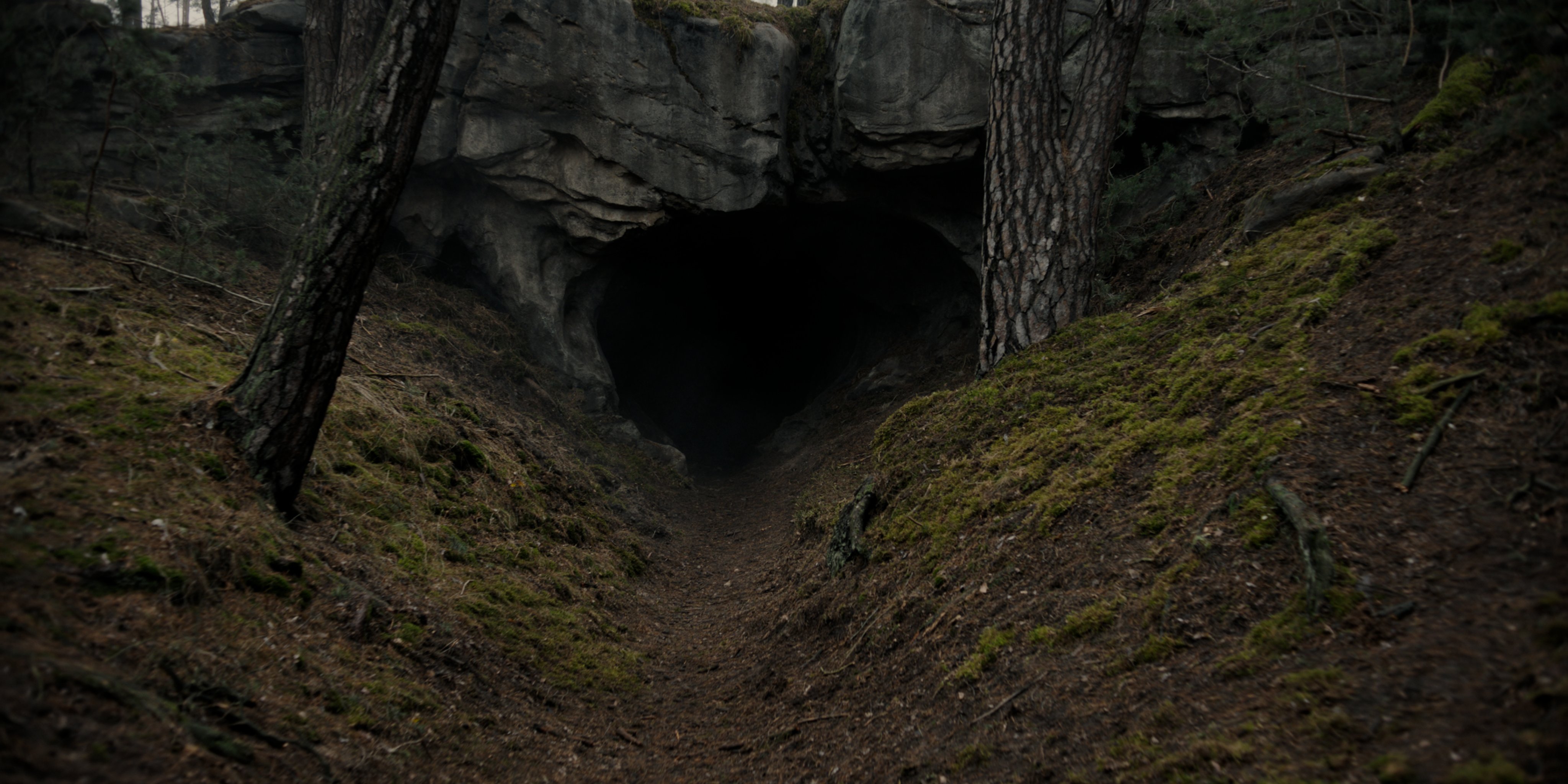
Of especially unnerving importance is the tunnel in the Winden caves. First glimpsed by Jonas and his friends just before Mikkel’s disappearance, we soon learn that this strange place offers a pathway between three separate times: 2019, 1986, and 1953. It also becomes apparent that each time it is used, it causes disturbances throughout the town. Birds fall from the sky, entire fields of sheep die, and electricity suffers a temporary glitch.
Of a similarly destructive nature is the odd machine Noah and Helge Doppler operated, where three boys, Mads Nielsen, Erik Obendorf and Yasin, meet their grisly fate.
Multiple plotlines intertwine to give this series its depth. We follow Charlotte Doppler, an incisive detective who seeks to understand these disappearances. She is among the first to uncover the connections across these ‘cycles’ of 33-year increments. The mysterious Noah always appears where we least expect him, beguiling us with his handsome looks and enthralling philosophy. We soon learn that he is somehow connected to the Doppler family.
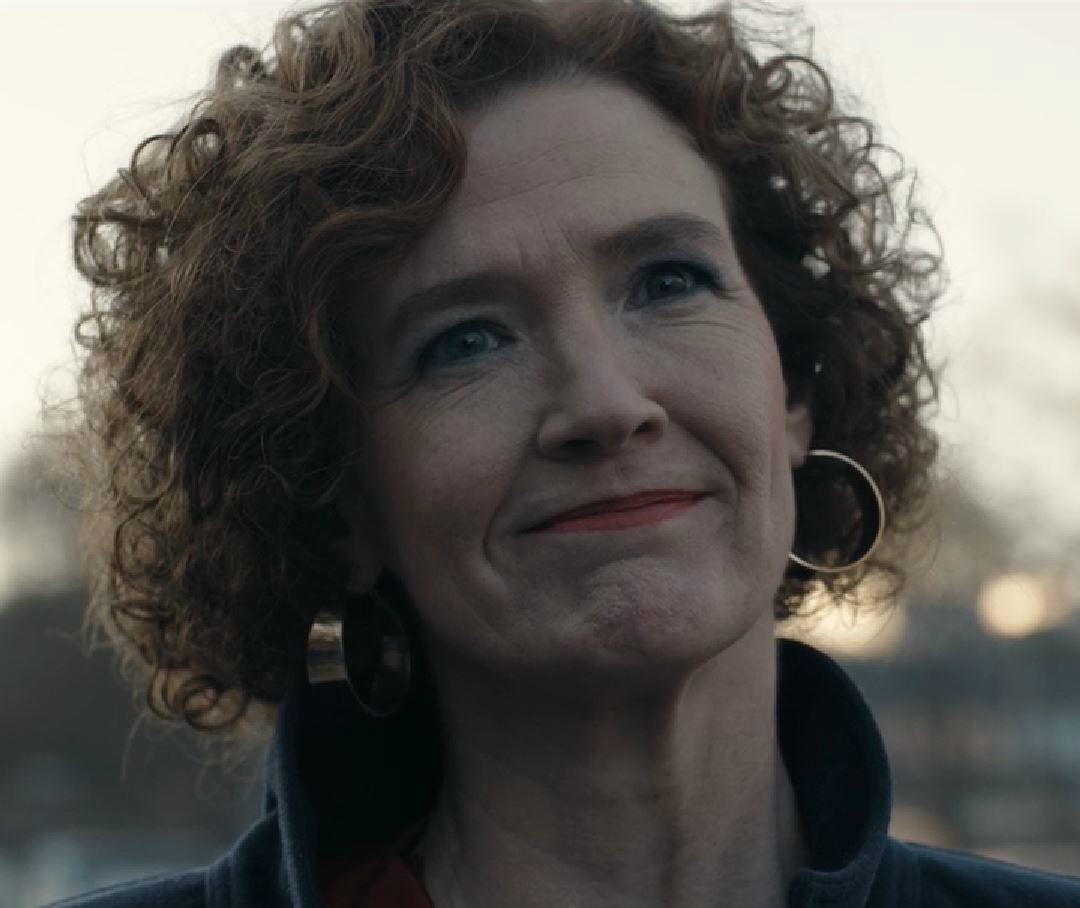
An elderly woman, Claudia, also acts behind the scenes and clearly knows more than she lets on. Her character provides the most intrigue as we simultaneously follow her younger self. In 1986, she investigates a covered-up accident at the nuclear power plant that may hold the key to time travel.
Dark: Heartbreaking revelations
We soon reach the first of this show’s ground-breaking twists: Mikkel, whom we follow as he struggles to come to terms with ending up trapped in 1986, never did find a way home. He stayed and was adopted by the kind-hearted Ines Kahnwald. By 2019, he has grown to become the man whose suicide opens the series, Jonas’ father, Michael.
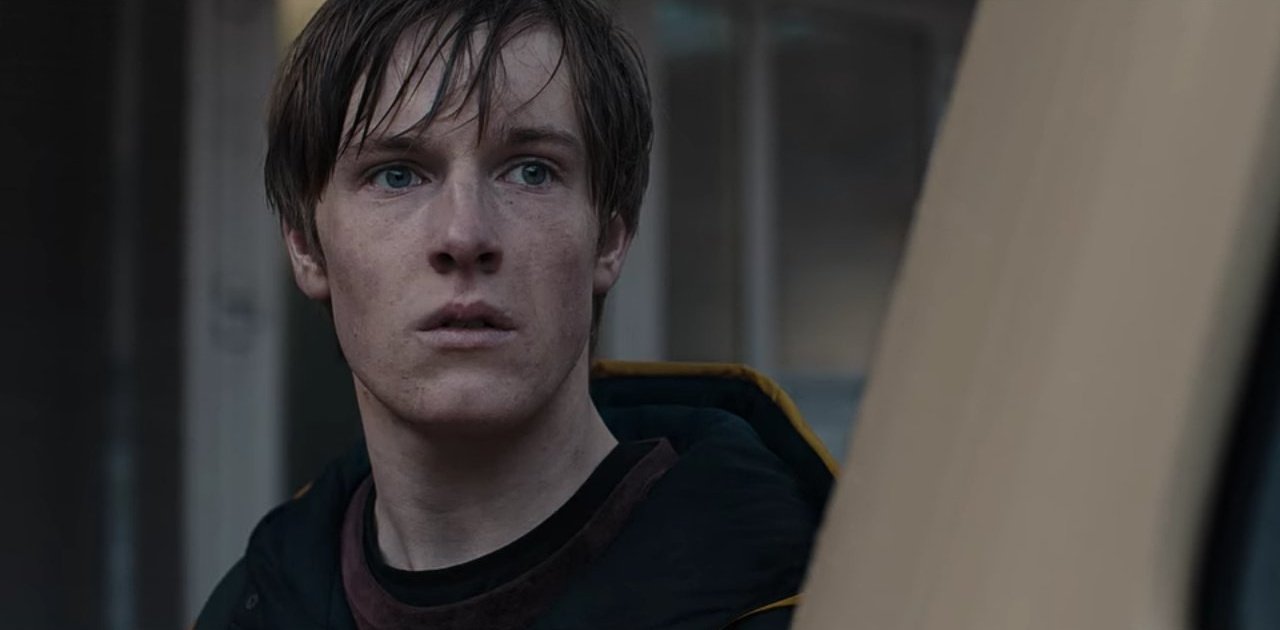
This earth-shattering revelation leads Jonas to venture through time to retrieve Mikkel and put things right; alas, he underestimates just how deep this rabbit hole goes. As the stranger reminds him, he cannot save Mikkel without erasing his own existence; he must simply abandon his father to his fate.
The dramatic twists do not stop there, however. We learn that Jonas’ mother, Hannah, has an affair with Ulrich. The affair is rooted in her childhood infatuation with him. In this infidelity, Ulrich is fated to repeat the sins of the father he so loathes.
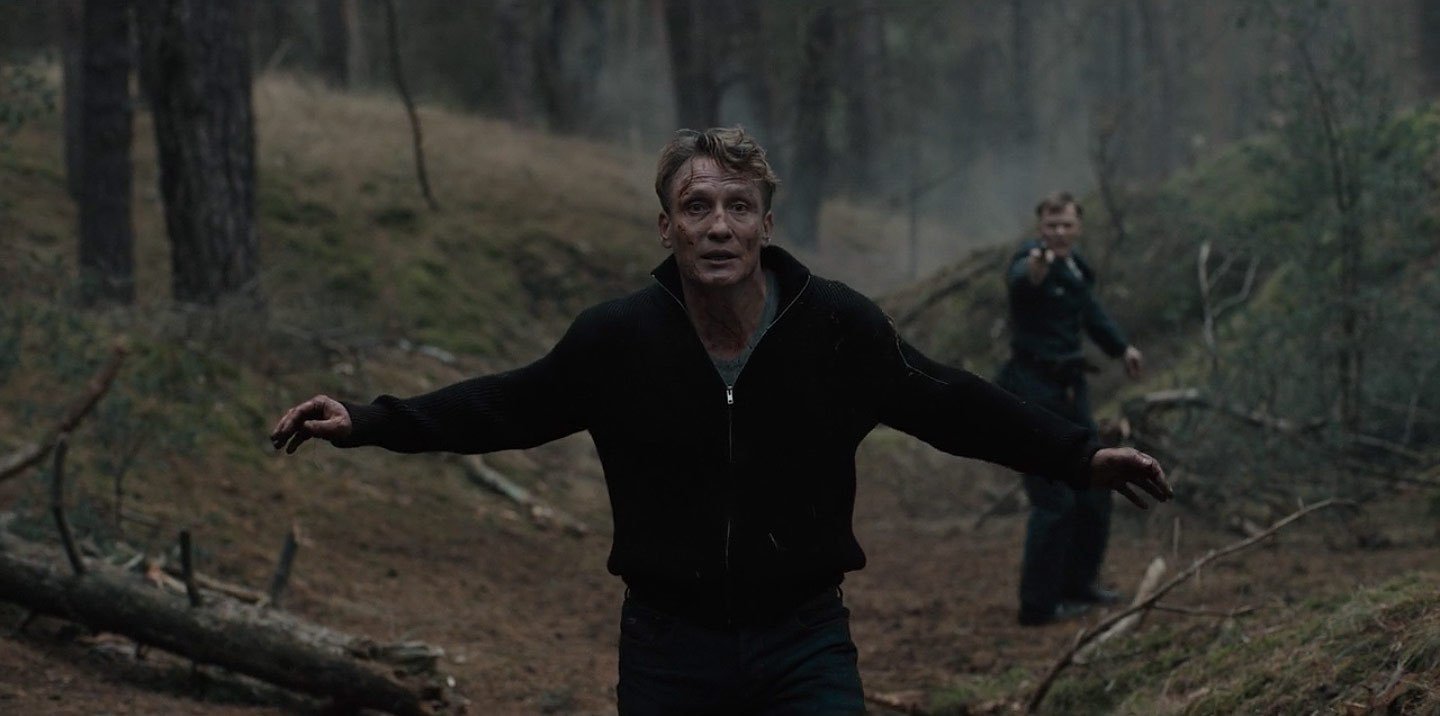
After the body of Ulrich’s brother Mads turns up in 2019, Ulrich goes on his own journey to 1953 to uncover the truth, and maybe even prevent these awful disappearances altogether. Alas, he only succeeds in setting in motion the events of Helge Doppler’s childhood that lead him to kidnap and murder these poor boys in the first place.
Dark: Star-Crossed lovers
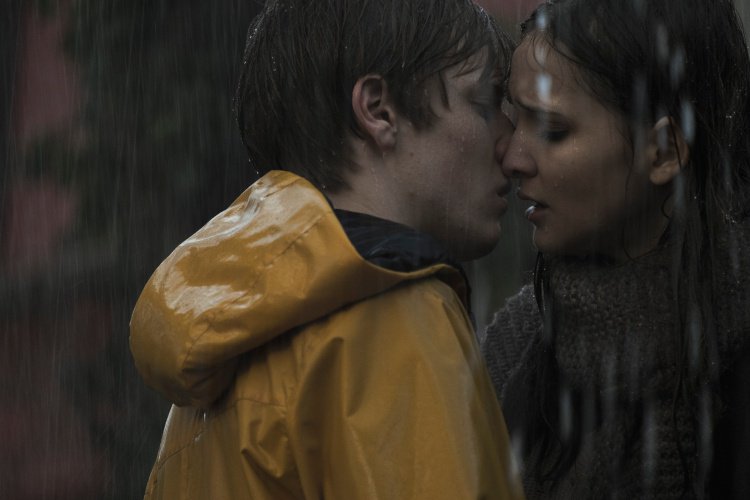
One of the first season’s most tragic and compelling plotlines is that of Jonas and Martha. Even once we learn of their family relation, we cannot help but root for them. It is not their fault they are caught in this paradox of time, this web of lies. Their unbreakable desire to be with one another motivates Jonas. It brings warmth, humanity, and emotion to an otherwise cold and bleak story.
In one particularly poignant scene, Martha performs the role of Ariadne in a school play, a hauntingly beautiful rendition of the Greek myth of the Minotaur. As she tearfully delivers an all-too-relevant monologue on being bound by fate and the inevitability of death, she experiences the same loss and fear of that tragic figure, who was fated never to be with her lover. She, too, is trapped, left behind.
Meanwhile, Jonas makes another dreadful discovery, which only ensnares him further: the stranger is none other than himself from the future. The odds our hero must now face seem insurmountable.
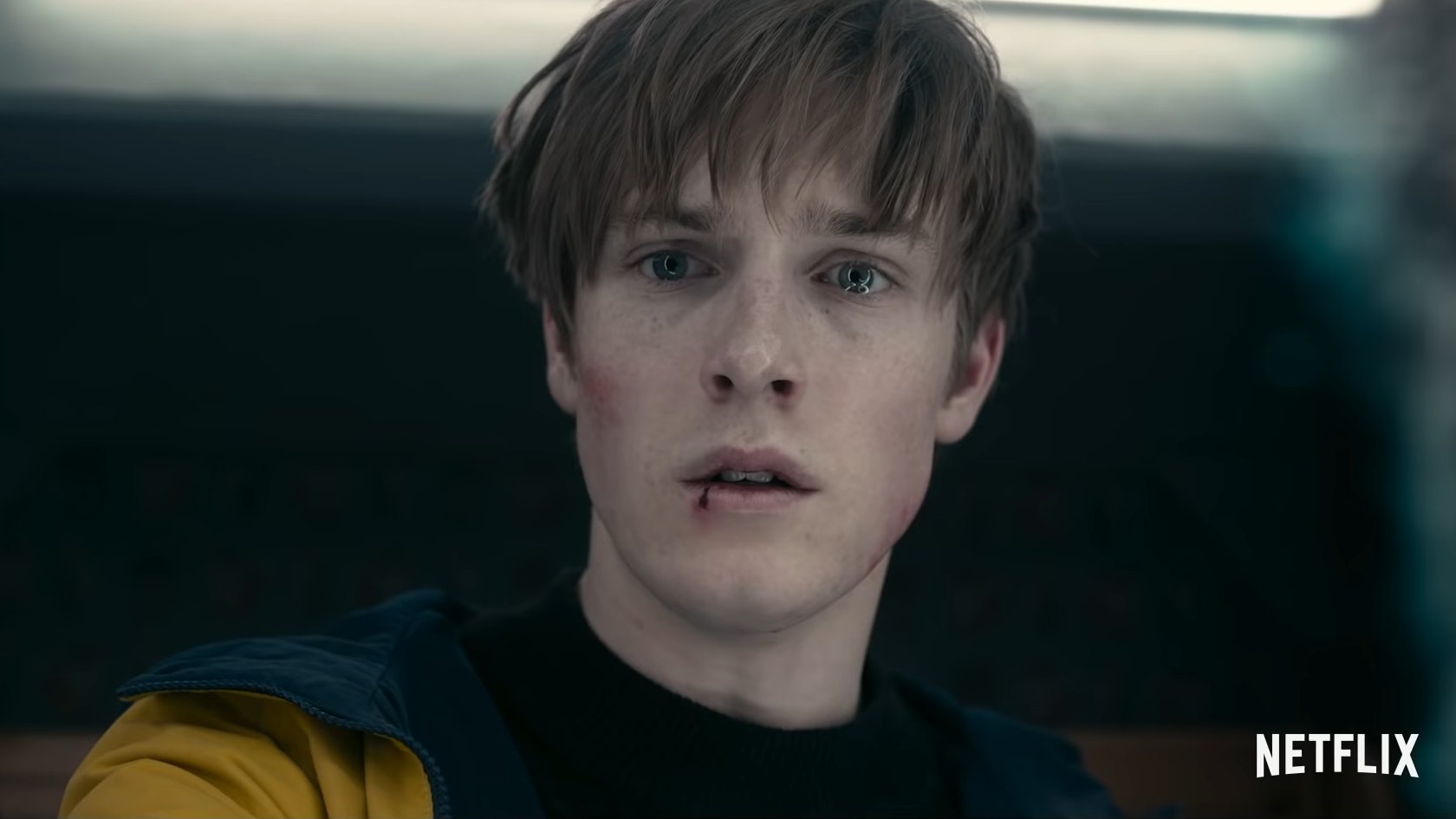
Dark season 1
Regarding delivering such a complicated premise, the remarkably consistent casting of separate actors for the same characters across their lifespan is superb. It helps to keep you invested in their journey. The acting and dialogue are always on point, and help to convey the series’s heavy philosophical themes. At times, this focus on philosophy and the logistics of time travel pushes some much-needed characterisation aside, but this is rare.
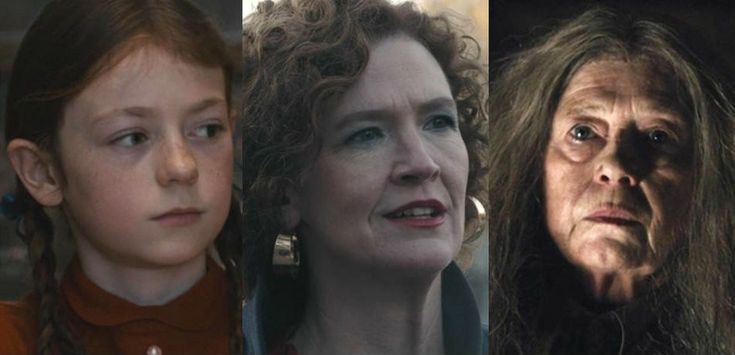
Ben Frost’s masterpiece of a soundtrack flows with a haunting melody, lending every episode a spine-chilling edge. Selections of tonally relevant songs are also included in one wonderfully atmospheric montage per episode. Look out for my favourite artist, Agnes Obel; her soulful track ‘Familiar’ sets a mysterious and melancholic tone for the whole first season.
And so, it is with complete confidence that I not only recommend this series to anyone who has not yet watched it but that I label it one of, if not the best, Sci-Fi projects to come to fruition in recent years. Next time, I’ll delve deeper into this labyrinth and uncover the soul-destroying secrets buried in season two. ‘Was wir wissen, ist ein tropfen. Was wir nicht wissen, ein Ozean’.


